How to Prepare Your Child for a Boarding School Interview Without Adding Pressure
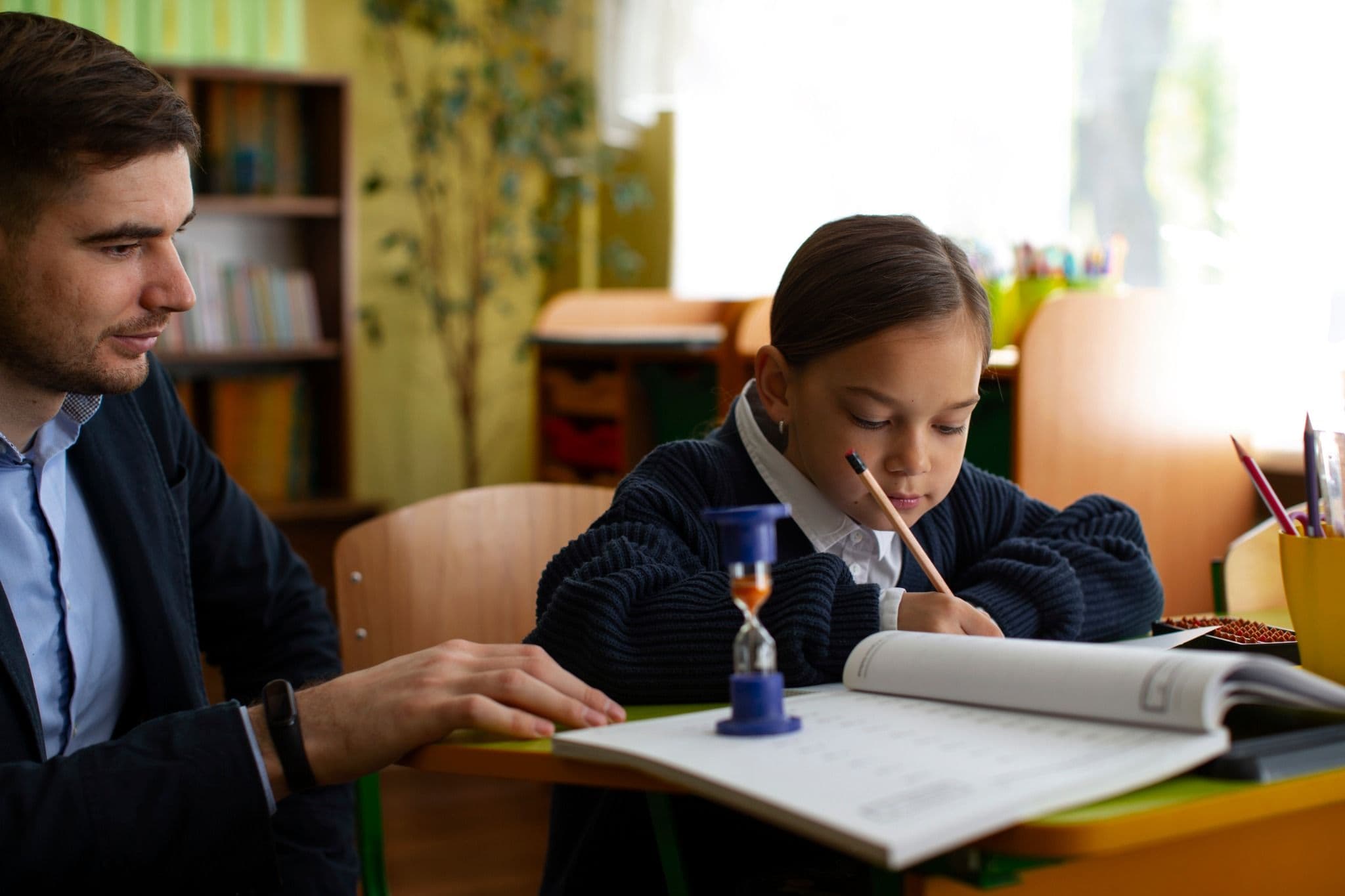
Ever watched your child freeze when a stranger asks, “So, tell me about yourself”? It happens to many confident kids. Interviews can feel big, but they do not need to feel heavy. With the right boarding school admission assistance, you can guide your child through preparation in a calm, friendly way. The goal is a relaxed conversation, not a performance. Keep reading to the end, because the final ideas make the biggest difference on the day itself.
What is the interview really for? A boarding school interview is a short conversation where staff gets to know your child’s personality, interests, and readiness to live away from home. It is not an exam. Schools want to meet a real child, not a rehearsed speaker.
Setting the Right Mood with Boarding School Admission Assistance
Talk About It Like an Adventure. Words shape feelings. Describe the interview as a chance to meet new people and share what your child loves. Avoid phrases like “you must impress them.” A curious mindset lowers nerves far better than a pep talk about stakes.
Start Early, Keep Sessions Short. Cramming creates stress. Instead, spread tiny chats over a few weeks, ten minutes at a time. Short sessions feel like casual talk, so your child absorbs ideas without feeling drilled or watched.
Let Your Child Lead the Pace. Some kids warm up fast; others need time. Watch their mood and stop if they seem tired or tense. Respecting their rhythm shows you trust them, and trust builds the calm confidence interviewers notice right away.
Practice That Feels Like Play
Turn Questions into Dinner Table Chats. Ask things like “What was the best part of your week?” over a meal. These everyday talks build the habit of explaining thoughts clearly. Your child practices without realizing it, which keeps the mood light.
Try Role Swaps. Let your child play the interviewer while you answer. Kids often laugh at your silly replies, and they learn what makes an answer clear. Switching roles also gives them a sense of control over the situation.
Build a Story Bank. Help your child collect three or four short stories about a hobby, a challenge they overcame, or a proud moment. Real stories are easier to recall than memorized lines, and they show personality in a natural way.
What Interviewers Usually Look For
Curiosity and Honesty. Staff enjoy children who ask questions and admit when they do not know something. Encourage your child to say, “I’m not sure, but I’d like to learn.” That honest answer often leaves a better impression than a polished one.
Independence and Maturity. Schools want to see that a child can handle life away from home. Let your child pack their own bag, order their own food, or speak to a shopkeeper. Small acts of independence prepare them for questions about boarding life.
Respectful Communication. Eye contact, a clear voice, and polite manners go a long way. Practice a simple greeting and thank you. These small habits take only minutes to learn and help your child feel ready.
Support Beyond the Practice Room
Learn from Educators. Parents who want to understand how teachers read young learners sometimes explore ELE teacher training courses to see how early education professionals build a child’s confidence. Even a basic grasp of those methods can shape the way you coach at home.
Keep Routines Steady. Good sleep, regular meals, and familiar habits protect your child’s energy. Avoid changing schedules in the days before the interview. Stability helps a child feel safe, and a safe child speaks more freely.
Plan the Day Together. Talk through the route, outfit, and timing in advance. Knowing what to expect removes surprises, and fewer surprises mean fewer worries. Arrive a little early so no one feels rushed.
Final Thoughts
Interview preparation works best when it feels warm, not strict. Talk kindly, practice in small bursts, and celebrate your child’s honest voice. Keep routines steady and plan the day together. When you seek boarding school admission assistance, choose support that values your child’s comfort as much as their results. A relaxed child shares more, and sharing more is exactly what interviewers hope to see. Walk in together, smile, and let your child’s real personality do the talking.
FAQs
Should my child memorize answers?
No. Memorized answers sound stiff. Encourage natural responses built from real experiences so your child sounds relaxed and genuine during the conversation.
How do I handle my own nerves?
Children read parents’ moods quickly. Take deep breaths, stay cheerful, and keep your words encouraging so your child feels supported rather than watched.
What if my child gets shy during the interview?
Shyness is common, and interviewers expect it. Remind your child that pausing to think is fine, and a small smile helps everyone relax.
Can I rehearse every day?
Daily practice can feel heavy. Two or three short sessions per week work better and leave room for play, rest, and free time.
What should we do after the interview?
Celebrate the effort, not the outcome. A favorite meal or a walk together tells your child that your pride does not depend on results.